Sustainability you can measure
As part of the Sylvamo, BERGA is committed to sustainable production, responsible sourcing, and innovative solutions that reduce environmental impact.
What we have achieved so far.
- Wood sourced locally within 90-130 km of our mills.
- 94-95% of water returned to local watersheds.
- 29,800 tonnes of ash reused annually as fertilizers in agriculture and forestry.
- Up to 95% chemical recovery in the papermaking process.
- Renewable energy and biogas initiatives helping reduce fossil fuel dependence
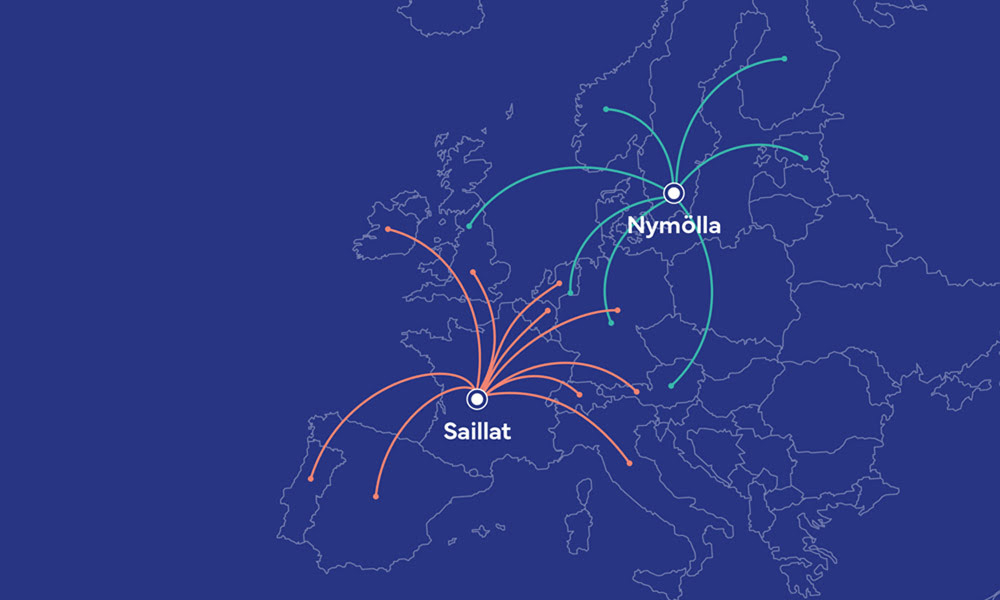
Two mills. One efficient European network
MANAGING OUR CARBON FOOTPRINT
Our mills are designed to maximise resource efficiency.
- Wood is sourced locally, helping minimise transport distances and supporting regional forestry.
- Approximately 94% of the energy used at Nymölla comes from biomass.
- Approximately 88% of the energy used at Saillat comes from biomass.
For customers requiring environmental data, carbon footprint documentation is available on request.
EUDR COMPLIANCE
We are fully aligned with the requirements of the upcoming EU Deforestation Regulation (EUDR), providing transparency and traceability throughout our fibre supply chain.
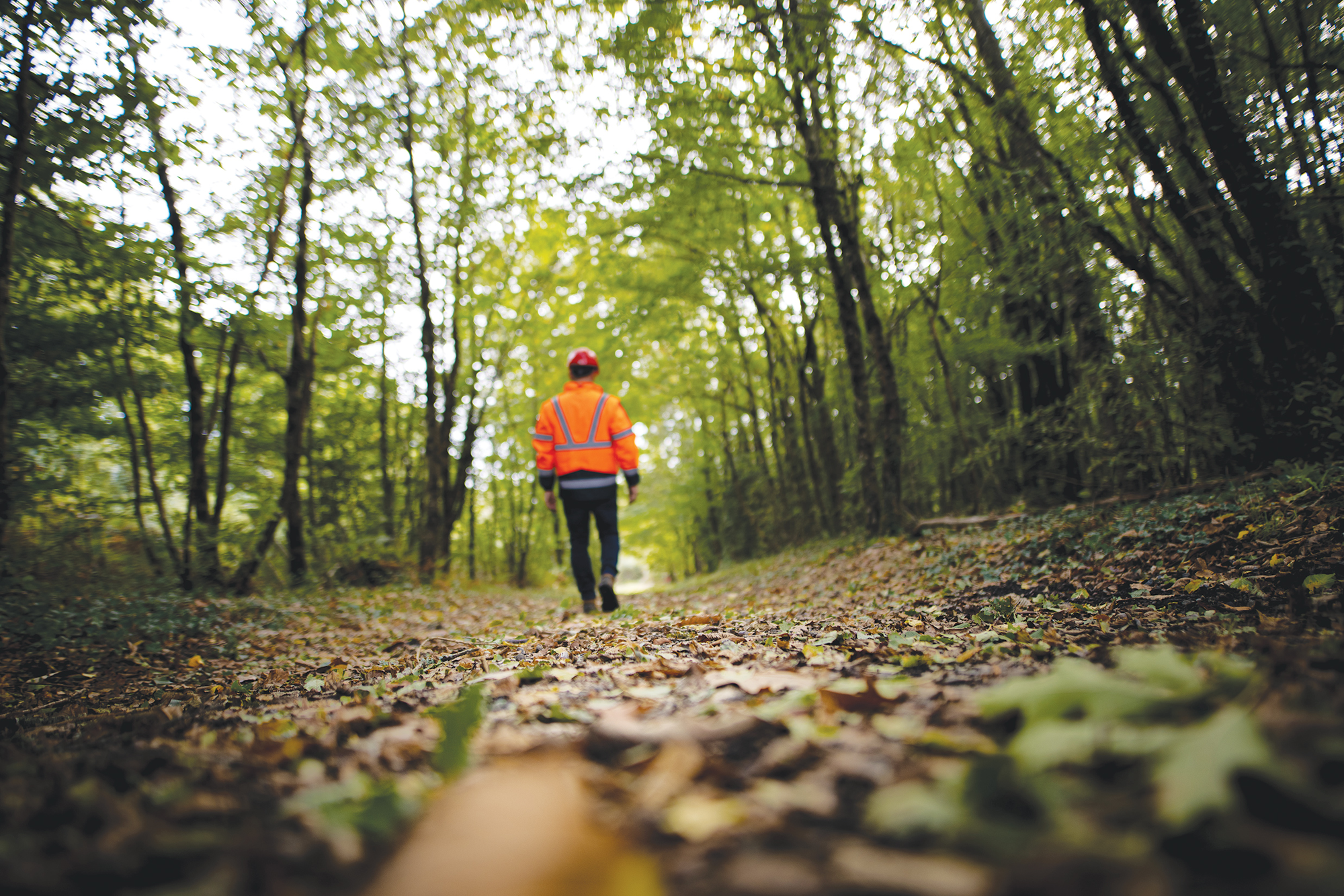
By sourcing wood from responsibly managed forests, we help protect biodiversity while ensuring a reliable long-term supply of renewable raw material.
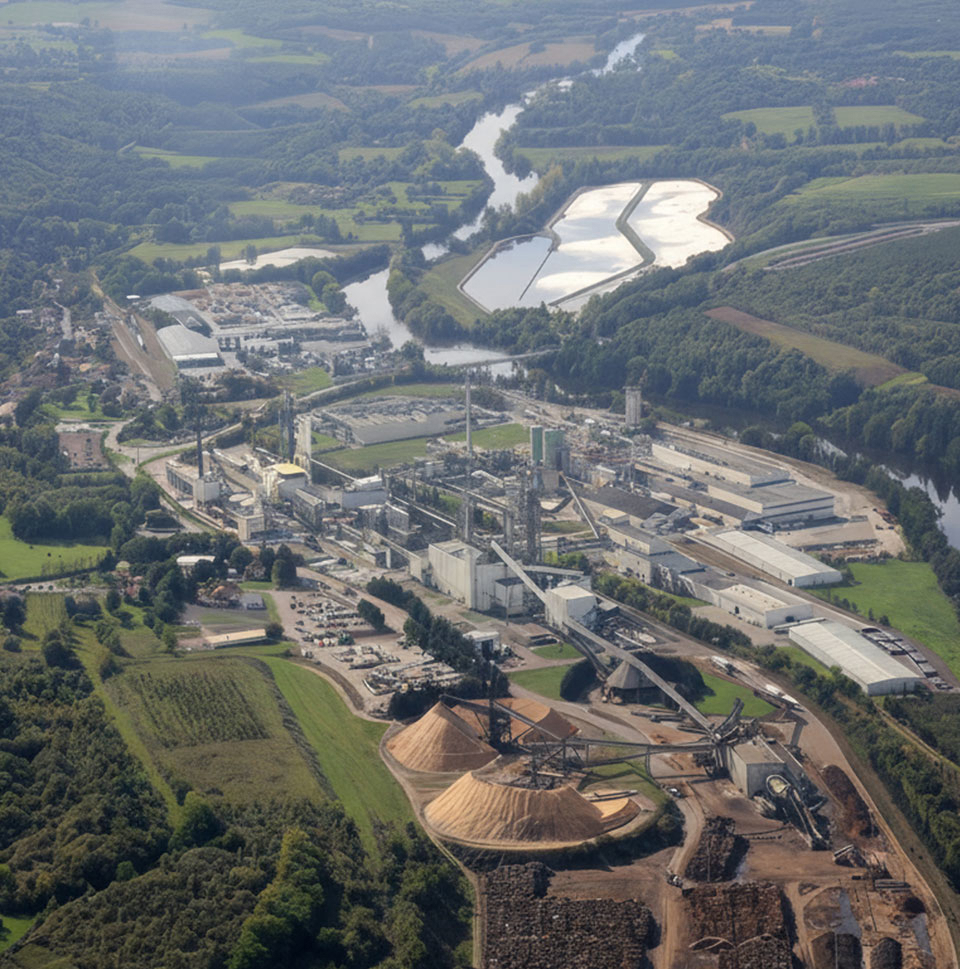
SUSTAINABILITY AT SAILLAT, FRANCE
LOCAL WOOD, LOCAL IMPACT
Most wood used at Saillat comes from within a 130 km radius and includes more than 35 local tree species. This helps support regional forestry and reduces transportation distances.
GIVING WATER BACK
94% of the water used during production is returned to the local watershed after treatment.
TURNING BY-PRODUCTS INTO RESOURCES
Each year, 12,000 tonnes of wood ash are reused by 105 neighbouring farmers to fertilise approximately 10,500 hectares of land.
RENEWABLE ENERGY
85% of the mill's energy comes from renewable biomass sources, reducing dependence on fossil fuels.
RESPONSIBLE FORESTRY
Sylvamo manages 30% of France's FSC-certified forest area, helping ensure a long-term and responsible fibre supply.
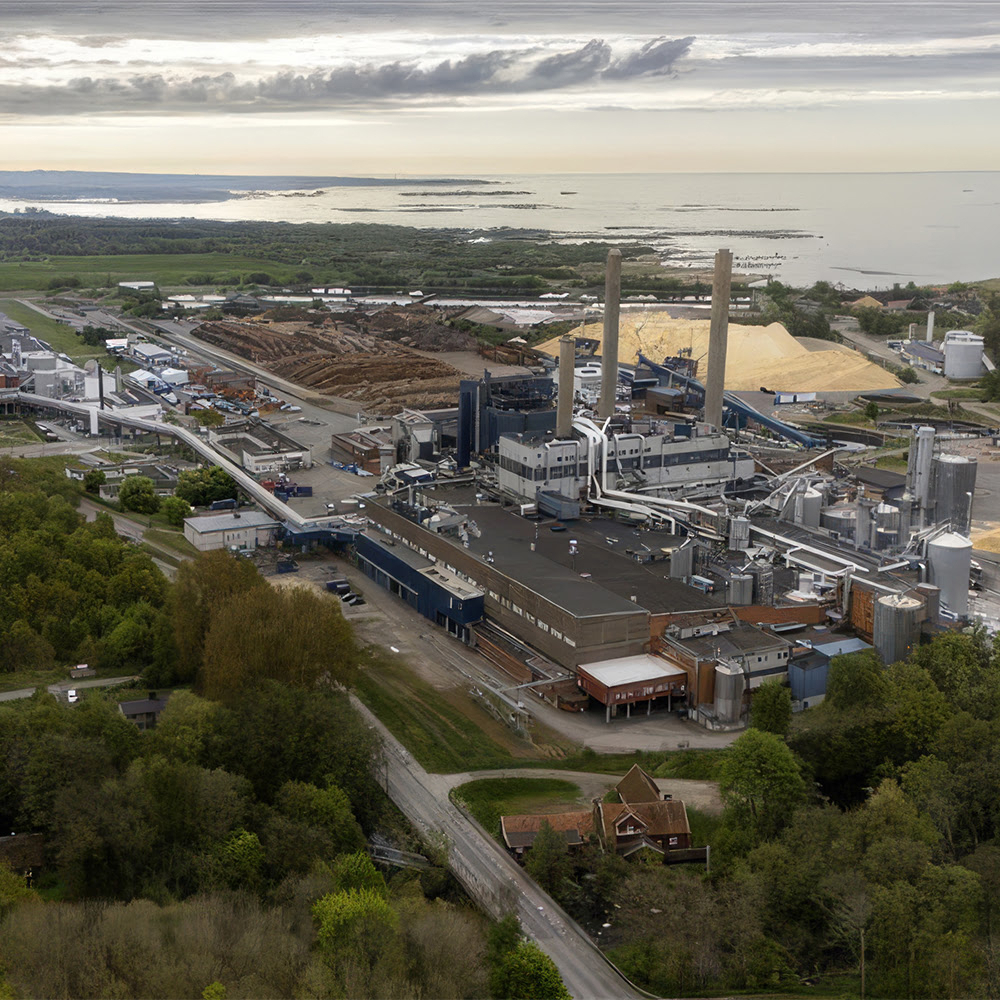
SUSTAINABILITY AT NYMÖLLA, SWEDEN
INTEGRATED PRODUCTION
Wood is transformed into finished paper on a single site, maximising resource efficiency. Wood is sourced primarily from within a 90 km radius.
WATER STEWARDSHIP
95% of the water used in production is returned to the local watershed after treatment.
CIRCULAR ECONOMY
In 2024, 17,800 tonnes of ash were returned to forest land, while 95% of pulp digester chemicals were recovered and reused in production.
RENEWABLE FUEL FROM PAPER PRODUCTION
Process water is converted into 75-90 GWh of liquefied biogas annually, enough to fuel up to 200 long-haul trucks. This renewable fuel can reduce emissions by up to 90% compared to diesel.

Kraft Packaging
Reels from our Nymölla mill are wrapped in kraft packaging and starting in 2026 our Saillat mill will also move to kraft packaging, showing our investment in uniformity of the service across both mills. Our Saillat mill will be switching from a polyethylene stretch film to a brown kraft paper, which is another step towards reducing our plastic footprint.

Sylvamo 2030 goals
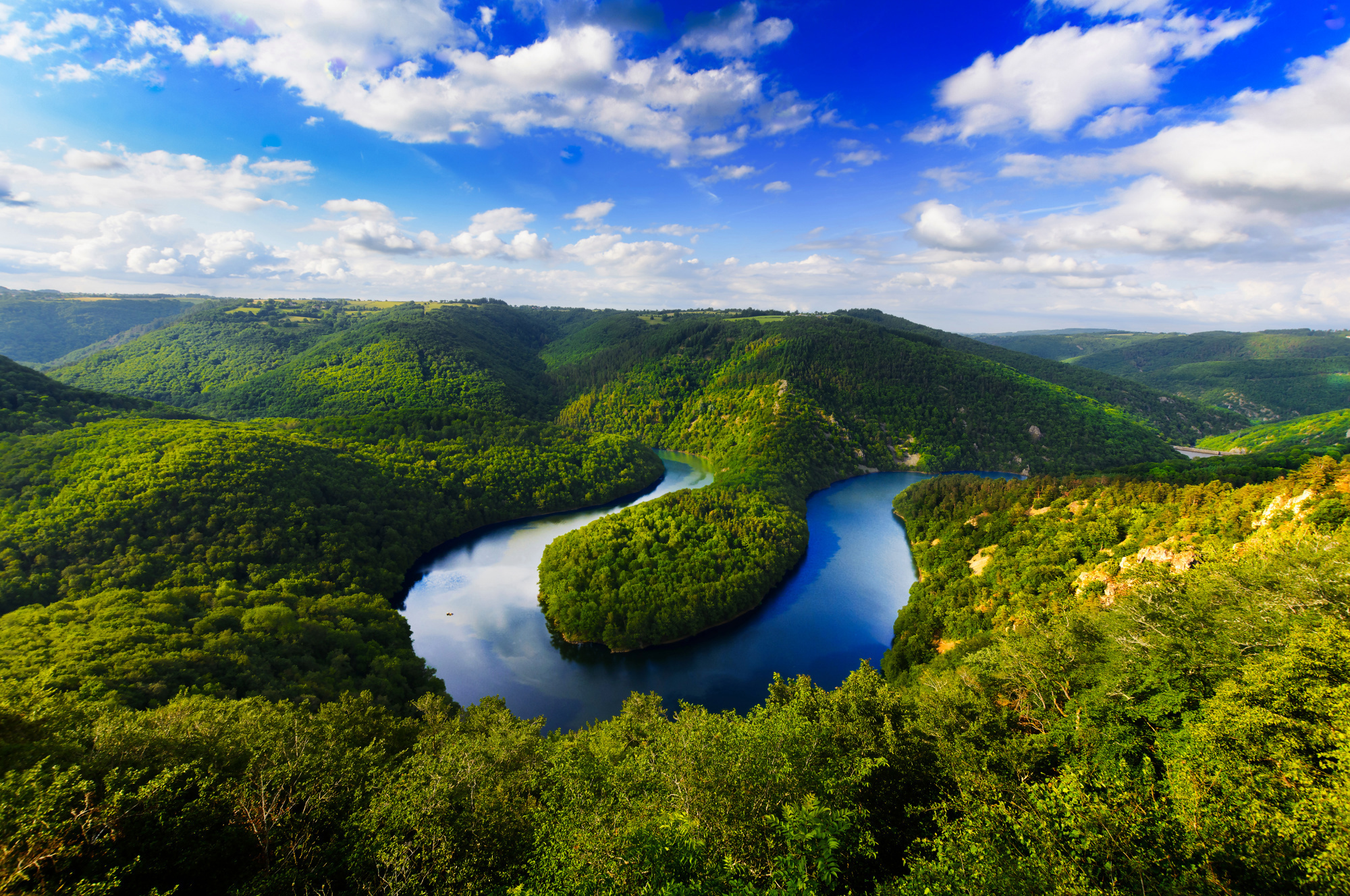
Our parent company is committed to building a better future on the promise of paper. The framework to achieve this is set out in its 2030 goals for sustainable forests, thriving people and communities and responsible operations.
SUSTAINABLE FORESTS
Goal: ensure healthy and product ecosystems through;
- Sustainable sourcing
- Conservation and restoration
thriving people & communities
Goal: protect and improve the lives of our employees, and support local communities through;
- Workplace safety
- Workforce inclusion and diversity
- Community impact
responsible operations
Goal: improve our climate impact and stewardship of natural resources through;
- Greenhouse gas reduction
- Water reduction